Living Museum of Humanity
The Omo Valley in southwestern Ethiopia is one of the most culturally diverse regions in Africa, home to over a dozen distinct ethnic groups who have maintained their traditional ways of life for centuries. This remote region offers a unique opportunity to witness ancient customs, rituals, and lifestyles that have remained largely unchanged by modernity.
From the body painting of the Karo to the lip plates of the Mursi, each tribe has its own unique traditions, ceremonies, and artistic expressions. Visiting the Omo Valley is like stepping back in time to experience humanity's cultural diversity in its most authentic form.
Book Cultural TourMajor Ethnic Groups
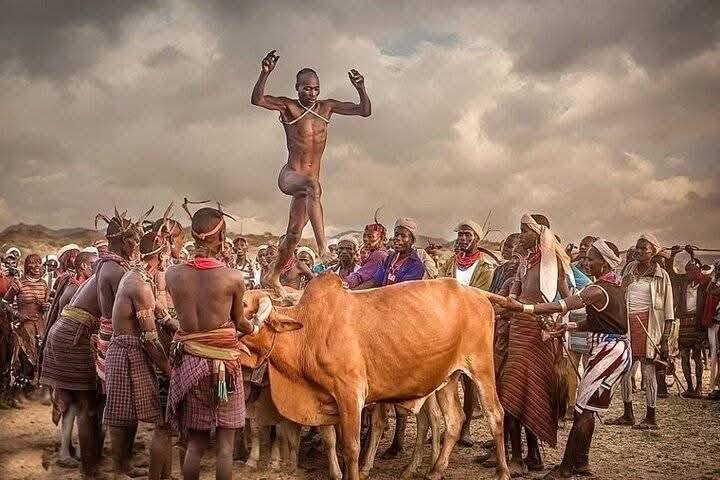
Hamar Tribe
Known for their bull jumping ceremony, intricate hairstyles, and distinctive body adornments with beads and cowrie shells.
~50,000 Lower OmoMursi Tribe
Famous for their lip plates (dhebi a tugoin) worn by women, and elaborate body scarification patterns.
~10,000 Lip PlatesKaro Tribe
Masters of body painting using white chalk, red ochre, and black charcoal to create intricate patterns.
~3,000 Body PaintingCultural Highlights
Bull Jumping Ceremony
Hamar initiation ritual where young men run across the backs of bulls to prove manhood
Body Decoration
Intricate body painting, scarification, and adornment with natural materials
Traditional Music
Unique musical instruments and dance rituals passed down through generations
Village Life
Experience daily life in traditional villages with thatched huts and communal living
Traditional Practices & Rituals
Bull Jumping (Hamar)
Initiation ceremony where a young man must successfully run across the backs of a line of bulls to prove his manhood and earn the right to marry.
Evangadi Dance
Night-time dance ritual of the Hamar people, involving singing, dancing, and social interaction that serves as both entertainment and courtship.
Donga (Stick Fighting)
Traditional sport and ritual combat among Surma tribesmen, using long wooden poles to demonstrate strength and skill.
8-Day Omo Valley Tour
Journey South
Fly or drive to Arba Minch. Visit Dorze village to see their unique bamboo houses and weaving traditions.
Terrace Farming Cultures
Visit Konso UNESCO site with its terraced agriculture and unique villages. Continue to Derashe community.
Hamar Cultural Immersion
Spend two days with the Hamar people. Witness daily life, traditional ceremonies, and learn about their customs.
Body Art & River Cultures
Visit Karo villages known for body painting. Continue to Nyangatom communities along the Omo River.
Lip Plate Culture
Visit Mursi villages to learn about their unique tradition of lip plates and body scarification.
Agricultural Communities
Visit Ari and Bena tribes known for their farming practices and colorful traditional clothing.
Departure
Return to Addis Ababa with stops at cultural sites along the way. Traditional farewell dinner.
Cultural Tour Packages
Omo Valley Discovery
- Visits to 6-8 ethnic groups
- Cultural guide fluent in local languages
- All transportation in 4x4 vehicles
- Basic lodge accommodation
- All meals included
Cultural Immersion
- Everything in Discovery package
- Extended time with each community
- Participation in daily activities
- Better accommodation options
- Photography guidance included
Festival Special
- Timed for major ceremonies
- Everything in Immersion package
- Witness traditional festivals
- Special cultural permissions
- Local guide with each tribe
The Eighth Wonder of the World
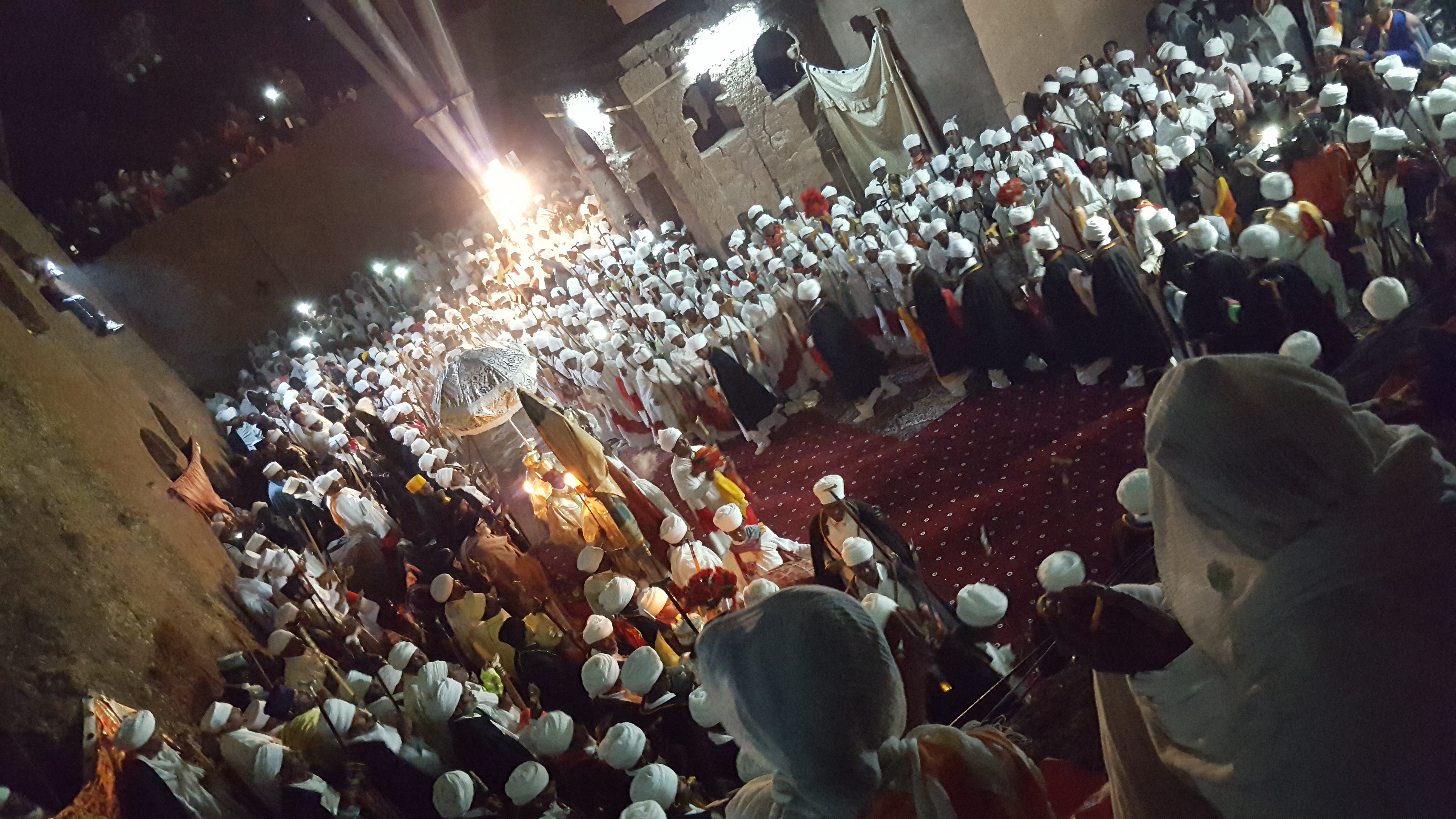
Lalibela, a small town in northern Ethiopia, is home to one of the world's most astonishing sacred sites: eleven medieval monolithic rock-hewn churches, each carved entirely out of a single block of granite with its roof at ground level. Built in the 12th and 13th centuries, these churches represent one of humanity's greatest architectural achievements.
Designated a UNESCO World Heritage Site in 1978, Lalibela remains a living pilgrimage center for Ethiopian Orthodox Christians. The churches are still used for daily worship and major religious festivals, maintaining their original spiritual purpose after 900 years.
Book Pilgrimage TourUNESCO World Heritage Churches
Bete Giyorgis (St. George)
The most famous and best preserved church, carved in the shape of a Greek cross. It stands alone in a deep pit with remarkable architectural precision.
Bete Maryam (St. Mary)
Believed to be the oldest church, dedicated to the Virgin Mary. Features beautiful frescoes and is a center of pilgrimage for women seeking fertility.
Bete Amanuel (St. Emmanuel)
Considered the royal chapel, with the finest masonry work. Its interior resembles a classical building with carved windows and architectural details.
Cultural & Religious Highlights
Pilgrimage Experience
Witness daily worship services and join pilgrims in spiritual practices
Ancient Architecture
Marvel at 900-year-old churches carved from solid rock with simple tools
Religious Art
See ancient crosses, icons, manuscripts, and religious artifacts
Priests & Deacons
Meet church clergy and learn about Ethiopian Orthodox traditions
Cradle of Ethiopian Civilization
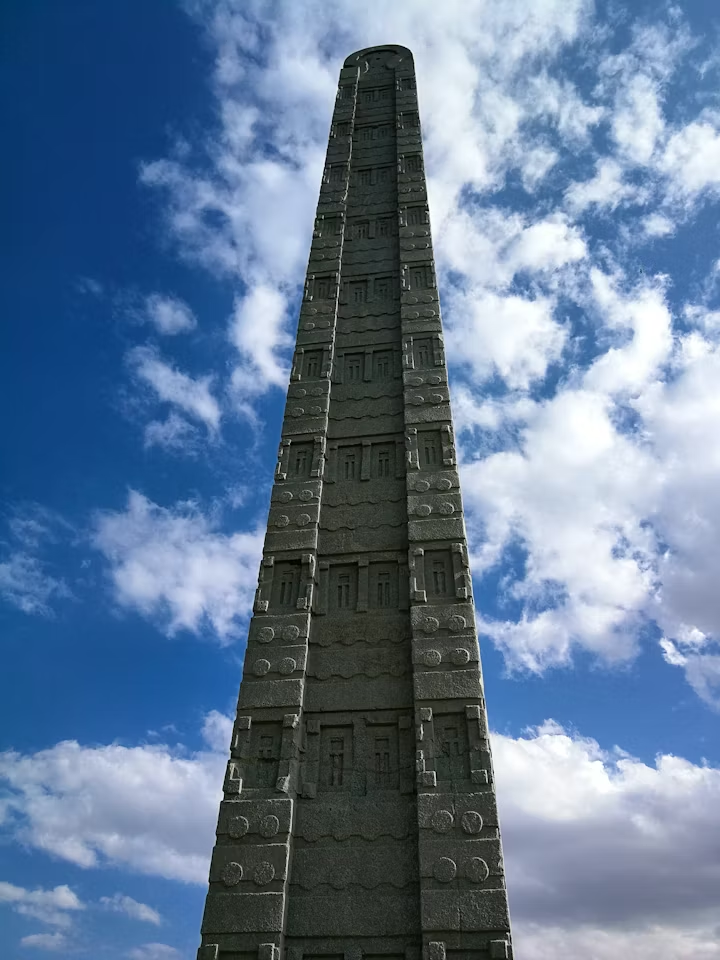
Axum (or Aksum) was the capital of the Aksumite Empire, one of the great civilizations of the ancient world alongside Rome, Persia, and China. From approximately 100-940 AD, Axum controlled trade routes between Africa and Asia and was a major center of early Christianity.
Today, Axum is famous for its towering stone obelisks (stelae), ancient royal tombs, and the Church of St. Mary of Zion, which Ethiopian Orthodox Christians believe houses the Ark of the Covenant. The city remains an important pilgrimage site and a UNESCO World Heritage Site since 1980.
Book Historical TourHistorical Highlights
Obelisks (Stelae)
See the 24-meter Great Stele and the returned 1,700-year-old Obelisk of Axum
Ark of the Covenant
Visit St. Mary of Zion Church, believed to house the biblical Ark
Royal Tombs
Explore ancient underground tombs of Aksumite kings and nobles
Aksumite Coins
See ancient coins at the Archaeological Museum showing early Christian symbols
Ethiopian Renaissance City
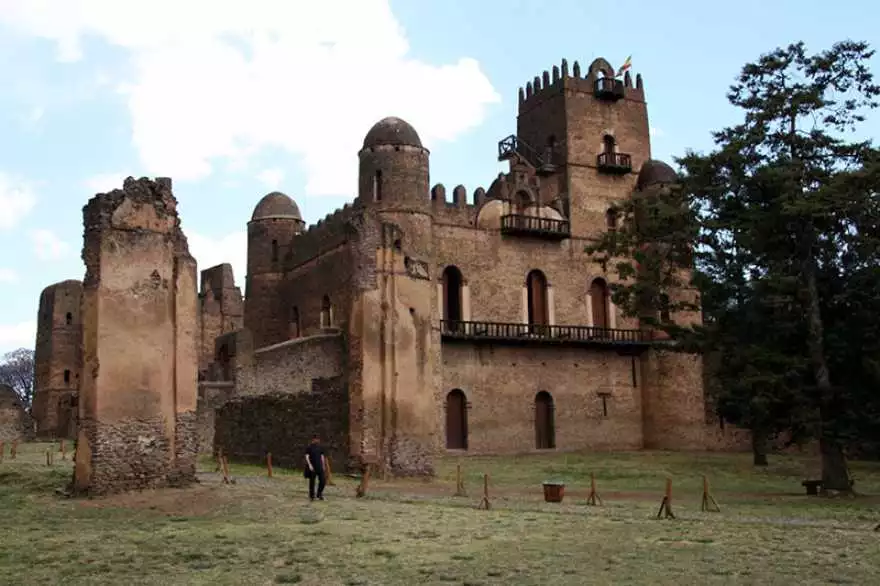
Founded by Emperor Fasilides in 1636, Gondar served as Ethiopia's capital for over 200 years. The city is famous for its Royal Enclosure (Fasil Ghebbi), a UNESCO World Heritage Site containing medieval castles, palaces, and churches built by successive emperors.
Often called the "Camelot of Africa," Gondar represents a unique period in Ethiopian history when European, Arab, and Indian architectural influences blended with traditional Ethiopian styles. Beyond the castles, Gondar is also known for its remarkable churches, particularly Debre Birhan Selassie with its famous ceiling frescoes.
Book Royal TourArchitectural Highlights
Royal Enclosure
Explore 70,000 sqm castle complex with palaces, libraries, and banquet halls
Debre Birhan Selassie
See famous church with ceiling frescoes of 80 angel faces
Fasilides' Bath
Visit massive sunken pool used for Timkat (Epiphany) celebrations
Kuskuam Complex
Explore royal retreat and monastery built by Empress Mentewab
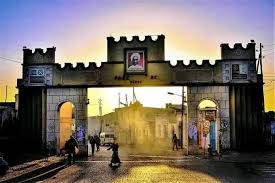
Living Museum of Islamic Culture
Harar Jugol, the historic fortified city, has been a center of Islamic culture and learning in the Horn of Africa since the 16th century. With 82 mosques (3 from the 10th century) and 102 shrines packed into just 48 hectares, Harar is considered the fourth holiest city in Islam after Mecca, Medina, and Jerusalem.
UNESCO designated Harar as a World Heritage Site in 2006 for its unique urban architecture, cultural traditions, and extraordinary examples of intercultural dialogue. The city is famous for its colorful houses, hyena feeding tradition, and vibrant markets selling traditional crafts, coffee, and baskets.
Book Harar TourCultural Highlights
Historic Gates
Enter through one of five historic gates into the labyrinthine old city
Harari Houses
Visit traditional Harari homes with unique interior decoration and coffee ceremonies
Hyena Feeding
Witness ancient tradition of feeding wild hyenas at the city gates
Markets & Crafts
Explore vibrant markets selling baskets, silver jewelry, and traditional textiles
Major Ethiopian Festivals
Genna (Ethiopian Christmas)
Celebrated on January 7th, Genna features church services, traditional games like genna (hockey-like sport), and family gatherings. Lalibela is the most spectacular place to experience Christmas.
Religious NationalTimkat (Epiphany)
The most colorful Ethiopian festival, celebrating Jesus' baptism. Features processions with replicas of the Ark of the Covenant, singing, dancing, and water blessings. Gondar's Fasilides' Bath is particularly spectacular.
Religious Major FestivalEnkutatash (New Year)
Ethiopian New Year on September 11th (or 12th in leap years). Celebrated with family gatherings, special meals, and children singing songs and giving flowers.
Cultural NationalMeskel (Finding of True Cross)
Commemorates the discovery of the True Cross by Queen Helena. Features massive bonfires (demera), processions with crosses, and singing. The main celebration is in Addis Ababa's Meskel Square.
Religious UNESCOAshenda/Shadey
Girls' festival in Tigray region celebrating the end of fasting period. Girls dress in traditional clothes, sing, dance, and go door-to-door receiving gifts.
Cultural RegionalEid al-Fitr & Eid al-Adha
Major Islamic festivals celebrated in Harar and other Muslim communities. Features prayers, feasting, and in Harar, special hyena feeding ceremonies.
Religious IslamicFestival Tour Packages
Timkat Festival Tour
- Timkat celebrations in Gondar
- Special festival access
- Cultural guide
- Hotel near festival sites
- All transportation & meals
Christmas in Lalibela
- Genna celebrations in Lalibela
- Priority access to churches
- Everything in Timkat package
- Traditional Christmas meal
- Local cultural experiences
Festival Combination
- Multiple festival experiences
- Lalibela, Gondar, Axum
- Everything in Christmas package
- Extended cultural immersion
- Photography opportunities
The best time for cultural tours depends on your interests. For general cultural tours, October to May offers pleasant weather. For festival experiences: Genna (Christmas) in early January, Timkat (Epiphany) in mid-January, Meskel in late September. The Omo Valley can be visited year-round, though roads are better in the dry season (October-May).
Always ask permission before photographing people. In the Omo Valley, many tribes expect small payments for photographs (usually 5-10 birr per person). Our guides will advise you on appropriate etiquette. Never photograph religious ceremonies or sacred objects without explicit permission. We practice and promote ethical photography that respects local customs and people.
Modest clothing is recommended, especially when visiting churches and religious sites. For churches: women should wear dresses/skirts below knee, cover shoulders; men should wear long pants. For Omo Valley: comfortable, casual clothing that can get dusty. Neutral colors are less intrusive for cultural interactions. Always have a scarf/shawl for covering head or shoulders when needed.
We practice responsible tourism: 1) We hire local guides from each community, 2) We pay fair fees for village visits and cultural performances, 3) We stay in locally-owned accommodations when available, 4) We purchase crafts directly from artisans, 5) We follow cultural protocols and respect traditions, 6) We contribute to community development projects in areas we visit.
Cultural tours can be wonderful educational experiences for children, but some considerations: Omo Valley tours involve long drives on rough roads. Religious sites require quiet, respectful behavior. Festival tours can be crowded. We can customize itineraries for families and suggest age-appropriate activities. Generally, children 10+ handle cultural tours well, but we've had successful tours with younger children too.