Wildlife Sanctuary
Bale Mountains National Park is Ethiopia's most important biodiversity hotspot, hosting more endemic species per square kilometer than any other area of equivalent size on Earth. The park's diverse ecosystems range from cloud forest to high-altitude plateau, providing habitats for numerous rare and endemic species.
This UNESCO World Heritage candidate site is famous for its population of Ethiopian wolves, mountain nyala, Bale monkeys, and giant mole rats. With elevations ranging from 1,500 to 4,377 meters, the park offers exceptional wildlife viewing opportunities in some of Africa's most stunning scenery.
Book Wildlife TourWildlife Highlights
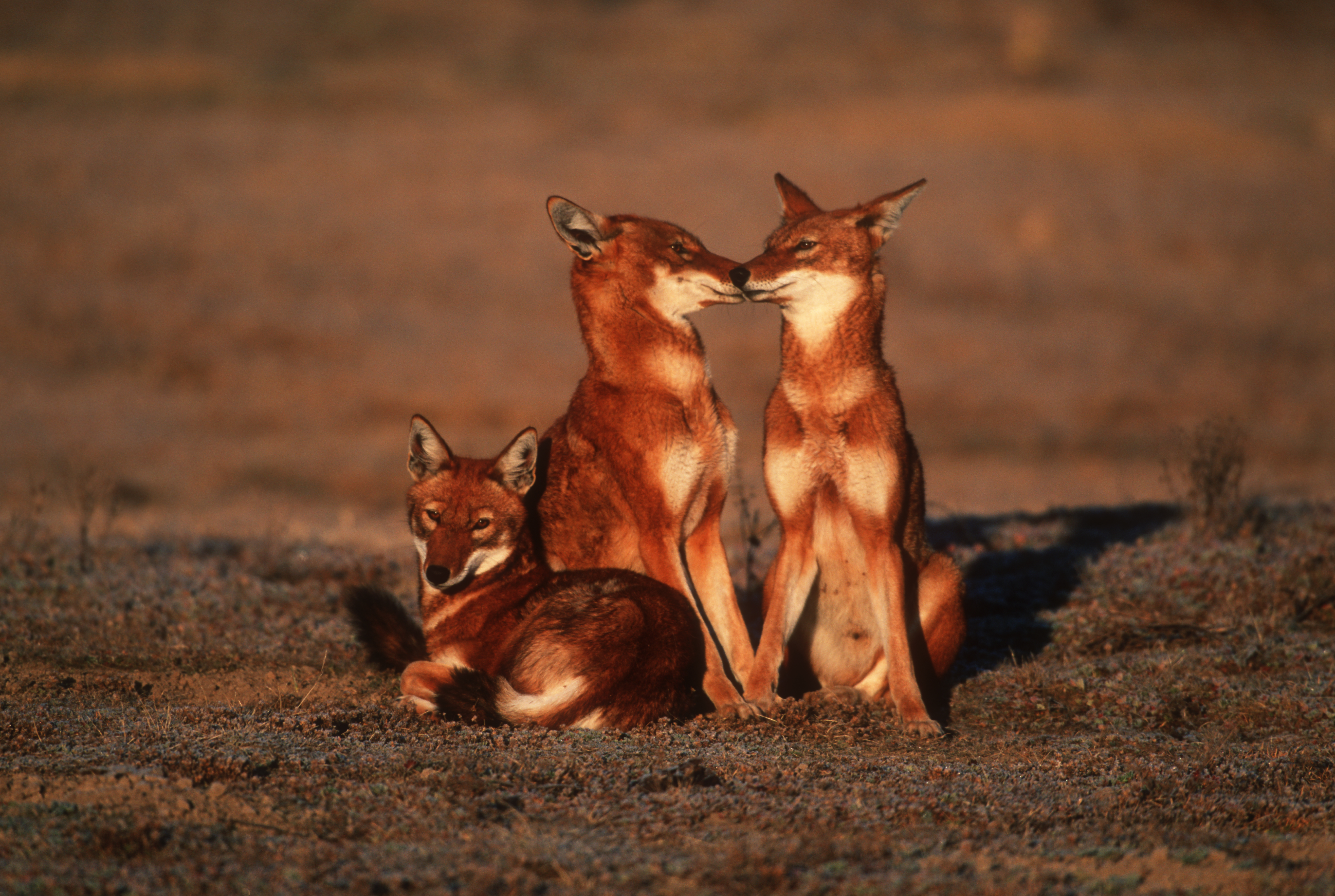
Ethiopian Wolf
World's rarest canid with only 400 individuals remaining
Mountain Nyala
Endemic antelope found only in Ethiopian highlands
Bale Monkey
Endemic primate living in bamboo forests
Bird Diversity
Over 300 bird species including 16 endemics
Key Species
Ethiopian Wolf
The world's rarest canid, with only about 400 individuals remaining. They hunt rodents on the Sanetti Plateau at altitudes above 3,000 meters.
Endemic Critically EndangeredMountain Nyala
Large spiral-horned antelope found only in Ethiopia's highlands. Males weigh up to 300kg with impressive curved horns.
Endemic EndangeredBale Monkey
Endemic primate living in bamboo forests. Lives in troops of 10-40 individuals and feeds primarily on bamboo shoots.
Endemic VulnerableBird Watching in Bale Mountains
Sanetti Plateau
Africa's highest all-weather road crosses this plateau at over 4,000m. Look for Rouget's rail, spot-breasted plover, and wattled crane.
Harenna Forest
One of Africa's largest cloud forests with exceptional bird diversity including yellow-fronted parrot and Abyssinian catbird.
Sample 5-Day Wildlife Tour
Park Entry & First Sightings
Drive from Addis to Bale Mountains headquarters. Afternoon wildlife viewing around Dinsho with mountain nyala and bushbuck.
Ethiopian Wolf Tracking
Full day exploring Sanetti Plateau. Track Ethiopian wolves, see giant mole rats, and enjoy high-altitude bird watching.
Cloud Forest Exploration
Descend into Harenna Forest. Look for Bale monkeys, forest birds, and unique plant life in this biodiversity hotspot.
Comprehensive Wildlife Viewing
Visit different habitats for comprehensive wildlife viewing. Trek to waterfalls and continue bird watching.
Final Wildlife Viewing
Morning wildlife viewing, then return drive to Addis with stops at scenic viewpoints and bird watching spots.
Tour Packages
Wildlife Discovery
- All park fees and permits
- Professional wildlife guide
- 4x4 transportation
- Lodge accommodation
- All meals included
Photography Focus
- Photography specialist guide
- Everything in Discovery package
- Extended time at prime locations
- Private vehicle for flexibility
- Early morning/late evening shoots
Bird Watching Special
- Expert birding guide
- High-quality binoculars provided
- Extended bird watching time
- Bird checklist & field guide
- Specialized equipment available
Roof of Africa Wildlife
The Simien Mountains National Park is famous for its dramatic landscapes and unique wildlife. As a UNESCO World Heritage Site, it protects some of Ethiopia's most iconic endemic species. The park's rugged terrain, deep valleys, and high plateaus create diverse habitats supporting remarkable biodiversity.
From troops of Gelada baboons to the elusive Walia ibex and Ethiopian wolf, the Simien Mountains offer exceptional wildlife viewing opportunities. The park's Afro-alpine ecosystem is home to numerous endemic plants and animals found nowhere else on Earth.
Book Wildlife TourWildlife Highlights
Gelada Baboon
Endemic "bleeding-heart" baboon living in large troops
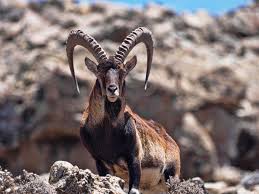
Walia Ibex
Endemic wild goat found only on Simien escarpments
Ethiopian Wolf
Rare canid occasionally spotted in high-altitude areas
Bird Diversity
Over 180 bird species including several endemics
Key Species
Gelada Baboon
Also called the "bleeding-heart baboon" for the red patch on their chest. They live in troops of up to 800 individuals and are the only grass-eating primates.
Endemic CommonWalia Ibex
Endemic wild goat found only in the Simien Mountains. Males have impressive curved horns up to 110cm long. They navigate steep cliffs with ease.
Endemic EndangeredEthiopian Wolf
Africa's most endangered carnivore. Hunts rodents in Afro-alpine meadows. Most active at dawn and dusk, often seen alone or in pairs.
Endemic Critically EndangeredBird Watching in Simien Mountains
High Plateau Areas
Look for thick-billed raven, wattled ibis, white-collared pigeon, and Rouget's rail in high-altitude grasslands and escarpments.
Valley & Forest Areas
Forest patches and valleys host black-headed forest oriole, white-backed black tit, and Abyssinian woodpecker among others.
Notable Bird Species
Thick-billed Raven
World's largest corvid with massive bill
White-collared Pigeon
Endemic pigeon with distinctive white collar
Wattled Ibis
Endemic ibis with distinctive wattles
Black-winged Lovebird
Small parrot endemic to Ethiopian highlands
Savanna Wildlife Experience
Awash National Park, established in 1966, is Ethiopia's oldest and most visited national park. Located in the Afar Region, it encompasses 756 square kilometers of acacia woodland and grassland along the Awash River. The park's centerpiece is the spectacular Awash River Gorge with its dramatic waterfall.
The park is home to typical East African savanna wildlife including Beisa oryx, Soemmerring's gazelle, defassa waterbuck, and over 450 species of birds. The varied habitats from riverine forest to hot spring-fed plains support a diverse array of wildlife just a few hours' drive from Addis Ababa.
Book Wildlife TourWildlife Highlights
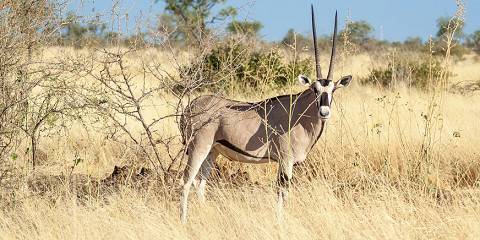
Beisa Oryx
Graceful antelope with long straight horns
Soemmerring's Gazelle
Slender gazelle with distinctive facial markings
Awash River Wildlife
Crocodiles, hippos, and abundant bird life
Bird Diversity
Over 450 bird species including many migrants
Key Species
Beisa Oryx
Also known as East African oryx, these elegant antelopes have long, straight horns and can survive in arid conditions by raising their body temperature to avoid sweating.
Common Near ThreatenedSoemmerring's Gazelle
Slender gazelle with distinctive white facial markings and ringed horns. They form herds of 5-20 individuals and are most active in early morning and late afternoon.
Common VulnerableBird Diversity
Awash is a bird watcher's paradise with over 450 species including Secretary bird, Abyssinian roller, various eagles, and seasonal migrants from Europe and Asia.
Abundant Some EndemicsBird Watching Hotspots
Awash River & Waterfall
Riverine forest along the Awash River hosts malachite kingfisher, giant kingfisher, various herons, and African fish eagle. The waterfall area is particularly rich.
Filwoha Hot Springs
Hot springs create unique microhabitats attracting specialized bird species. Look for chestnut-bellied sandgrouse, various larks, and raptors hunting in open areas.
Between Two Lakes
Nechisar National Park, meaning "white grass" in Amharic, is located between Lakes Chamo and Abaya in southern Ethiopia. The park's diverse habitats include dry savanna, groundwater forest, and the unique "Bridge of God" peninsula that almost connects the two lakes.
While mammal populations have declined, Nechisar remains one of Ethiopia's top bird watching destinations with over 340 recorded species. The lakes themselves host large populations of waterbirds, while the park's grasslands and forests provide habitats for numerous other species.
Book Bird Watching TourHighlights
Lake Chamo
Famous for its large Nile crocodiles and hippos
Bird Diversity
Over 340 bird species including many waterbirds
Fishing
Excellent fishing opportunities in both lakes
Unique Ecosystem
"Bridge of God" peninsula with unique vegetation
Notable Bird Species
Nechisar Nightjar
Potentially extinct nightjar endemic to the park
White-tailed Swallow
Endemic swallow with distinctive white tail
African Fish Eagle
Common around lakes with distinctive call
Various Kingfishers
Giant, pied, malachite, and woodland kingfishers
Waterbirds
Pelicans, herons, storks, and various ducks
Raptors
Various eagles, hawks, and vultures
Remote Wilderness
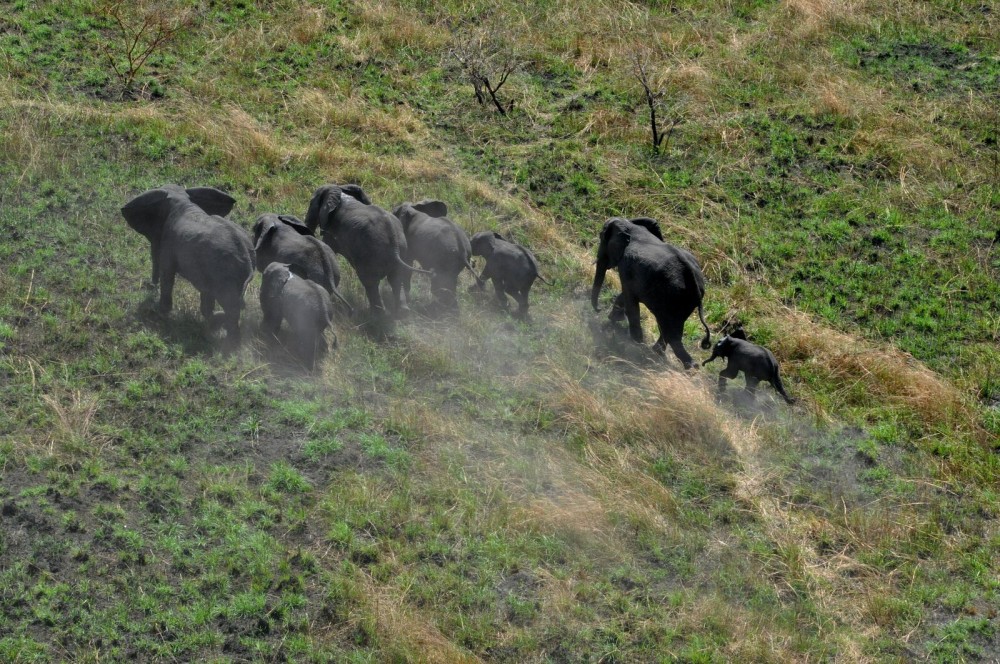
Gambella National Park in western Ethiopia represents the Sudan-Guinea Savanna biome, making it unique in the country. The park covers 5,061 square kilometers of floodplains, grasslands, and woodlands along the Baro and Gilo rivers.
This remote park hosts wildlife more typical of East Africa than the Ethiopian highlands, including elephant, buffalo, lion, and Nile lechwe. Access is challenging but rewarding for serious wildlife enthusiasts seeking truly off-the-beaten-path experiences.
Book Wilderness TourWildlife Highlights
African Elephant
Small population of forest elephants
African Buffalo
Large herds in grassland areas
Nile Lechwe
Semi-aquatic antelope in swampy areas
Bird Diversity
Over 300 bird species including many migrants
Bird Watcher's Paradise
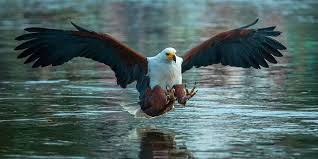
Ethiopia is one of Africa's top bird watching destinations with over 860 recorded species, including 30 endemic birds found nowhere else in the world. The country's diverse landscapes - from high mountains to lowland deserts, from lakes to forests - create habitats for an incredible variety of avian life.
Our specialized bird watching tours are designed by experienced birding guides who know the best locations and seasons for spotting both endemic and migratory species. Whether you're a casual birder or a serious enthusiast, we offer tours tailored to your interests and expertise level.
Book Bird Watching TourTop Bird Watching Destinations
Bale Mountains
Best for endemic highland species including Rouget's rail, spot-breasted plover, and Abyssinian catbird. Over 300 species recorded.
Simien Mountains
Excellent for high-altitude endemics including thick-billed raven, wattled ibis, and white-collared pigeon. 180+ species.
Awash National Park
Outstanding for savanna and riverine birds including numerous raptors, kingfishers, and waterbirds. 450+ species.
Rift Valley Lakes
Exceptional for waterbirds including flocks of flamingos, pelicans, storks, and numerous migrant waders. 400+ species around lakes.
Some Ethiopian Endemic Birds
Thick-billed Raven
World's largest corvid with massive silver bill
Wattled Ibis
Distinctive ibis with red wattles on face
White-collared Pigeon
Large pigeon with white neck collar
Blue-winged Goose
Goose with striking blue wing patches
Black-winged Lovebird
Small green parrot with black wings
Yellow-fronted Parrot
Green parrot with yellow forehead
Rouget's Rail
Secretive rail of high-altitude grasslands
Spot-breasted Plover
Plover with distinctive spotted breast
Bird Watching Tour Packages
Highland Endemics
- Bale & Simien Mountains
- Expert birding guide
- Quality binoculars provided
- Field guide & checklist
- All transportation & meals
Comprehensive Birding
- All major birding hotspots
- Everything in Highland package
- Rift Valley lakes included
- Awash National Park
- Spotting scope available
Custom Birding Tour
- Fully customized itinerary
- Target specific species
- Private guide & vehicle
- Photography focus available
- Flexible duration & dates
The best time for wildlife viewing is during the dry season from October to May. For bird watching, the best time is November to March when resident birds are most active and European migrants are present. The rainy season (June-September) can be challenging for wildlife viewing but offers lush landscapes and is excellent for bird watching as many species are breeding.
Essential equipment includes: good quality binoculars (8x42 or 10x42 recommended), field guide to African birds, notebook for sightings, camera with telephoto lens if interested in photography, comfortable walking shoes, sun protection, and layered clothing for variable temperatures. We provide quality binoculars for our bird watching tours, but serious birders may prefer their own equipment.
In Bale Mountains National Park, sightings are very likely (90%+ chance) with an experienced guide, especially on the Sanetti Plateau. They are most active in early morning and late afternoon. In Simien Mountains, sightings are less common but possible. Our guides know the best locations and times for wolf viewing and will maximize your chances of sightings.
Absolutely! Our tours cater to all levels of experience. For beginners, our guides provide basic bird identification skills and focus on common and easily visible species. For experienced birders, we can target rare and endemic species. We adjust the pace and focus based on your interests and experience level.
Malaria prophylaxis is recommended for visits to lowland areas like Awash and Gambella. High-altitude areas (above 2,500m) like Bale and Simien are malaria-free. We recommend consulting with a travel health clinic before your trip. All our guides are first-aid trained, and we have established medical evacuation procedures for remote areas.