Journey Through Ancient Civilizations
The Northern Historical Route is Ethiopia's most famous tourist circuit, connecting the country's most significant historical and religious sites. This route takes you through 3,000 years of Ethiopian history, from the ancient Aksumite Empire to medieval castles and rock-hewn churches.
Travel through stunning highland landscapes, experience ancient religious traditions, and marvel at architectural wonders that have stood for centuries. This journey offers a profound understanding of Ethiopia's unique cultural heritage and its significance in world history.
Book Historical Route TourKey Destinations on the Historical Route
Lalibela
Home to 11 monolithic rock-hewn churches carved in the 12th-13th centuries, a UNESCO World Heritage Site and major pilgrimage destination.
UNESCO HistoricalGondar
Known as the "Camelot of Africa," with medieval castles, palaces, and churches built by Ethiopian emperors from the 17th century.
UNESCO ArchitecturalAxum
Capital of the ancient Aksumite Empire, famous for its towering obelisks (stelae), royal tombs, and the Church of St. Mary of Zion.
UNESCO AncientBahir Dar
Gateway to Lake Tana's ancient island monasteries and the Blue Nile Falls, one of Ethiopia's most beautiful natural attractions.
Nature CulturalUNESCO World Heritage Sites
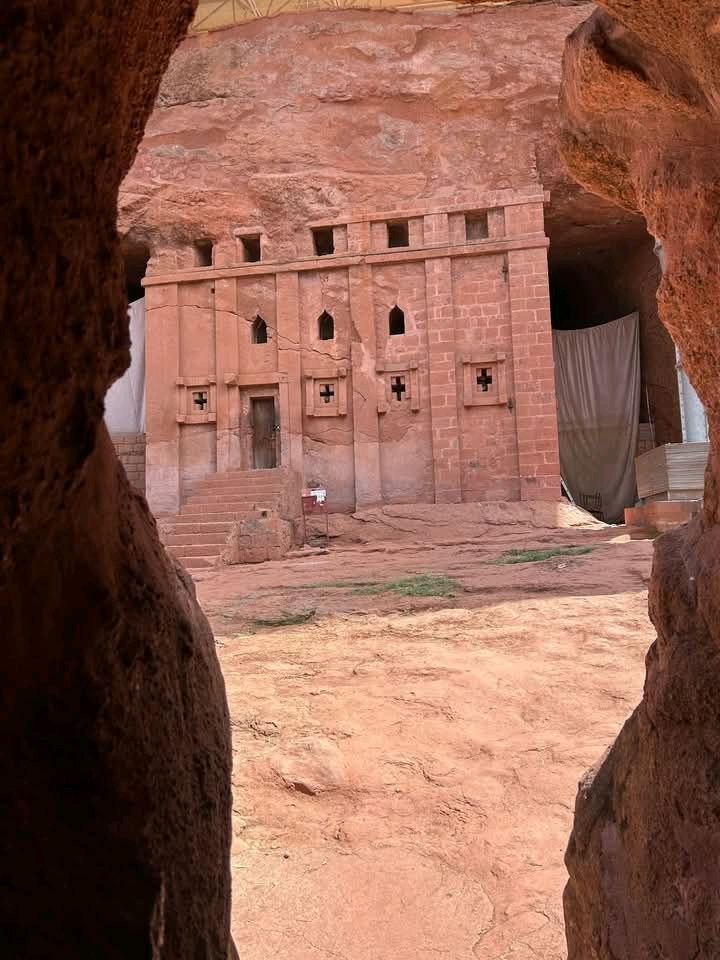
Rock-Hewn Churches of Lalibela
Eleven medieval monolithic churches carved from solid rock in the 12th-13th centuries. Often called the "Eighth Wonder of the World," these churches are still active places of worship.
Fasil Ghebbi, Gondar
A fortress-city of castles and palaces built by Ethiopian emperors in the 17th-18th centuries. Known as the "Camelot of Africa," it represents a unique fusion of Ethiopian, Arab, and Baroque influences.
Aksum Archaeological Site
Ruins of the ancient Aksumite civilization (1st-8th centuries AD), including giant obelisks, royal tombs, and ancient inscriptions. Once a major trading empire linking Africa and Asia.
Historical Timeline of Northern Ethiopia
Pre-Aksumite Civilization
D'mt Kingdom establishes early civilization in northern Ethiopia with advanced irrigation and monumental architecture.
Golden Age of Aksum
Aksum becomes a major trading empire, adopts Christianity (4th century), and builds towering obelisks and palaces.
Rock-Hewn Churches
Zagwe kings commission the rock-hewn churches of Lalibela as a "New Jerusalem" for Ethiopian Christians.
Castle Building
Gondar serves as Ethiopia's capital, with successive emperors building castles, churches, and palaces in European-influenced styles.
Roof of Africa
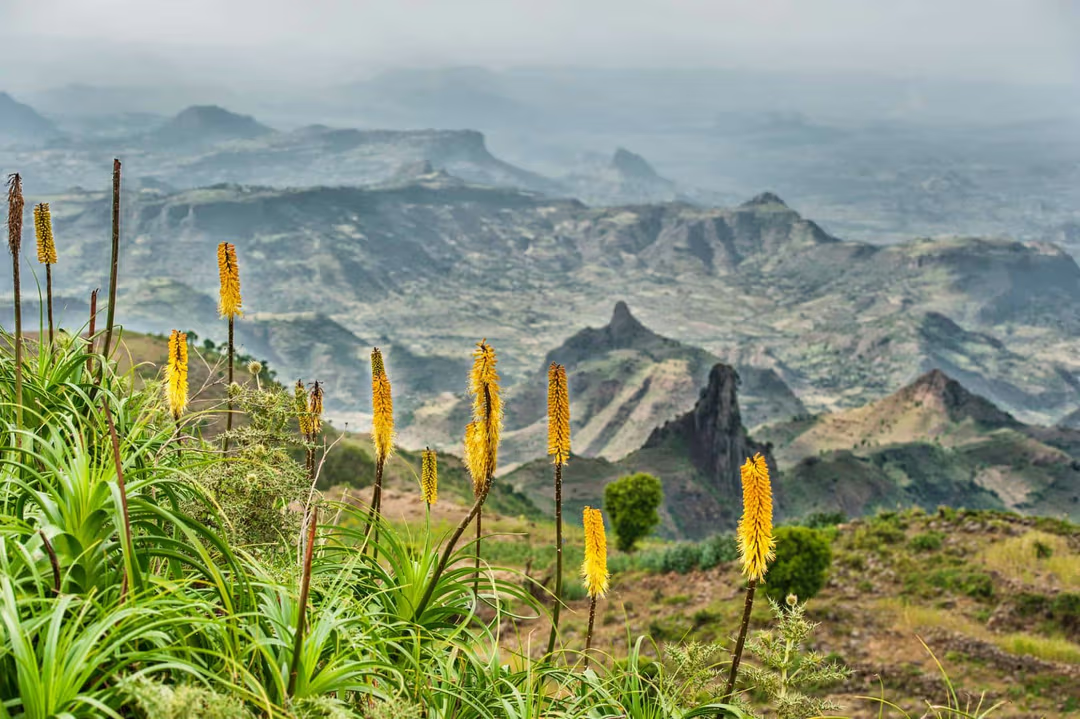
The Simien Mountains National Park is a UNESCO World Heritage Site renowned for its dramatic landscapes, with jagged mountain peaks, deep valleys, and sharp precipices dropping some 1,500 meters. Often called the "Roof of Africa," the park contains several peaks over 4,000 meters, including Ras Dashen, Ethiopia's highest mountain at 4,550 meters.
The park is home to rare and endemic wildlife, including the Walia ibex, Ethiopian wolf, and Gelada baboon. Trekking in the Simiens offers breathtaking views and encounters with unique flora and fauna found nowhere else on Earth.
Book Simien Trekking TourSimien Mountains Highlights
Dramatic Landscapes
Spectacular views of jagged peaks, deep gorges, and vertiginous cliffs
Unique Wildlife
See Gelada baboons, Walia ibex, and Ethiopian wolves in their natural habitat
Trekking Routes
Well-established trails for all levels, from day hikes to multi-day expeditions
Mountain Camps
Stay in scenic campsites with breathtaking views of the mountain ranges
Trekking Routes & Options
Sankaber to Gich (2-3 Days)
Perfect introduction to the Simiens with moderate hiking, Gelada baboon encounters, and stunning viewpoints like Jinbar Waterfall.
Moderate Beginner FriendlyClassic Simien Trek (4-5 Days)
From Sankaber to Chennek via Gich, including climbs to Imet Gogo (3,926m) and encounters with Walia ibex at Chennek.
Moderate-Strenuous Most PopularSummit of Ras Dashen (7+ Days)
Challenging trek to Ethiopia's highest peak (4,550m) through remote valleys and high-altitude plateaus.
Strenuous AdvancedUnique Wildlife of the Simiens
Gelada Baboon
Only grass-eating primate in the world, living in large troops on the mountain plateaus
Walia Ibex
Endangered wild goat found only in the Simien Mountains, with magnificent curved horns
Ethiopian Wolf
World's rarest canid, red-coated predator that hunts rodents on the highland plains
Birdlife
Over 180 bird species including the majestic Lammergeier (bearded vulture)
Hidden Churches of Tigray
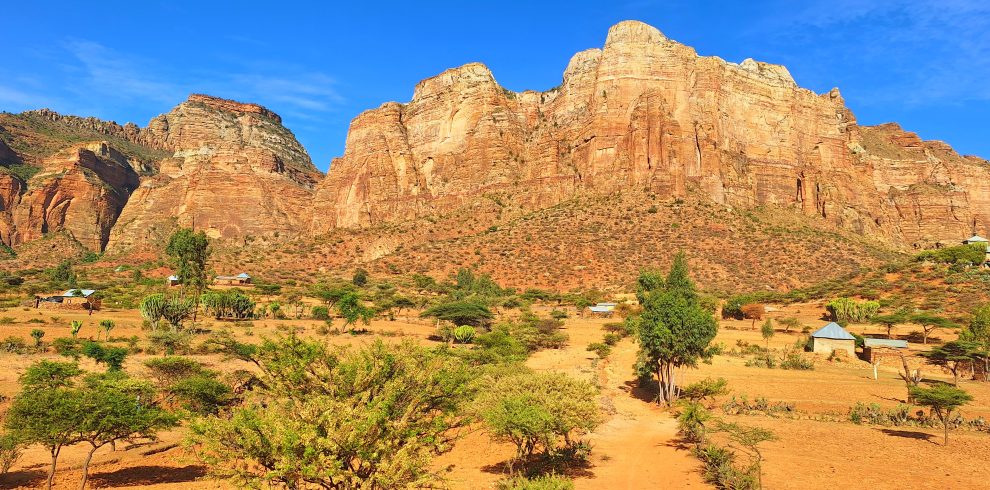
The Tigray region in northern Ethiopia is home to over 120 rock-hewn churches, many dating back to the 4th-6th centuries, making them some of the oldest Christian churches in the world. Unlike Lalibela's churches carved downward into the ground, Tigray's churches are carved into the sides of cliffs and mountains, often in breathtakingly inaccessible locations.
These churches remained largely unknown to the outside world until the 1960s and many still function as active places of worship. Visiting them involves hiking, climbing, and sometimes using ropes, adding an adventurous element to the spiritual journey.
Book Tigray Churches TourNotable Tigray Churches
Abuna Yemata Guh
Most famous and inaccessible church, requiring a steep climb and traverse along a narrow ledge. Contains beautiful frescoes dating to the 5th century.
5th Century Challenging AccessMaryam Korkor
Large monolithic church with impressive architecture and panoramic views. Located near Daniel Korkor, accessible by a moderate hike.
6th Century Moderate HikeAbraha Atsbeha
One of the most accessible and beautiful churches, named after two 4th-century kings who converted to Christianity. Contains ancient artifacts and crosses.
4th Century Easy AccessDebre Damo
6th-century monastery accessible only by climbing a 15-meter rope up a sheer cliff. Men only, it's one of Ethiopia's most important monastic centers.
6th Century Rope ClimbTigray Experience Highlights
Adventure & Spirituality
Combine physical challenge with spiritual discovery at ancient Christian sites
Ancient Art
See well-preserved frescoes, carvings, and religious artifacts dating back centuries
Spectacular Settings
Churches positioned in dramatic landscapes with breathtaking views
Local Guides
Knowledgeable local guides who know the routes and church histories
Mars on Earth
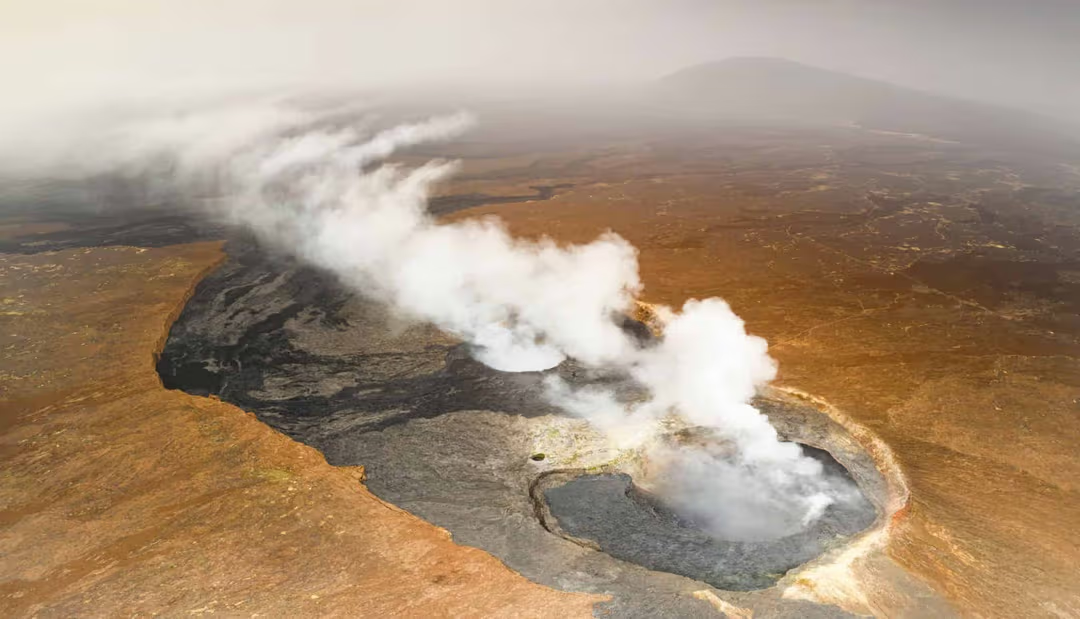
The Danakil Depression is a geological wonderland and one of the most extreme environments on Earth. Located at the triple junction of three tectonic plates, it's one of the hottest places on the planet (with temperatures regularly exceeding 50°C/122°F) and one of the lowest (reaching 125 meters below sea level).
This surreal landscape features active volcanoes, bubbling lava lakes, colorful hydrothermal fields, vast salt flats, and acidic hot springs. It's also home to the Afar people, who have adapted to this harsh environment for centuries. Visiting the Danakil is a true adventure into one of Earth's most alien landscapes.
Book Danakil AdventureDanakil Depression Highlights
Erta Ale Volcano
One of few volcanoes in the world with a permanent lava lake. Night trek to see the glowing crater.
Dallol Hydrothermal Field
Rainbow-colored landscape of acidic hot springs, mineral formations, and salt pillars.
Lake Asale Salt Flats
Vast salt pans where Afar people still extract salt using traditional methods, creating surreal patterns.
Afar Culture
Meet the resilient Afar people who have inhabited this extreme environment for centuries.
Essential Danakil Information
Climate & When to Visit
The Danakil is extremely hot year-round. Best visited November-March when temperatures are slightly cooler (35-40°C). Travel is not recommended April-October due to extreme heat.
Physical Requirements
Good health is essential. The Erta Ale trek involves walking 3-4 hours at night on uneven terrain. The heat and harsh conditions can be challenging.
What to Bring
Light clothing, sturdy shoes, hat, sunscreen, flashlight/headlamp, camera, and plenty of water. Specialized tours provide camping equipment and food.
Safety Considerations
Always visit with experienced guides. Stay on marked paths near volcanic areas. Drink plenty of water to avoid dehydration in the extreme heat.
Classic Historical Route (10 Days)
Arrival & City Tour
Arrive in Addis Ababa. Visit the National Museum (home of Lucy), Ethnographic Museum, and Mount Entoto for panoramic views.
Lake Tana Monasteries
Fly to Bahir Dar. Boat trip on Lake Tana to visit ancient island monasteries like Ura Kidane Mehret and Azwa Maryam.
Waterfalls & Castles
Visit Blue Nile Falls in the morning. Drive to Gondar (3 hours). Afternoon visit to Royal Enclosure castles.
Castles & Churches
Visit Debre Birhan Selassie Church with famous ceiling frescoes, Fasilides' Bath, and Kuskuam Complex.
Mountain Scenery
Drive to Simien Mountains National Park. Afternoon hike to see Gelada baboons and spectacular viewpoints.
Ancient Civilization
Fly to Axum. Visit the stelae field, archaeological museum, Queen of Sheba's Bath, and St. Mary of Zion Church.
Rock-Hewn Churches
Fly to Lalibela. Two days exploring the 11 rock-hewn churches, including Bete Giyorgis and Bete Maryam.
Asheten Monastery
Optional mule ride or hike to Asheten Monastery for panoramic views. Afternoon visit to local community.
Return to Addis & Depart
Fly back to Addis Ababa. Optional souvenir shopping and farewell dinner before departure.
Northern Ethiopia Tour Packages
Historical Route Express
- Lalibela, Gondar, Axum, Bahir Dar
- Domestic flights included
- 3-4 star accommodations
- Expert historical guide
- All meals & entrance fees
Complete Northern Circuit
- Everything in Express package
- 3-day Simien Mountains trek
- Tigray churches extension
- More time at each site
- Cultural interactions included
Northern Adventure
- Everything in Complete package
- 4-day Danakil Depression expedition
- Extended Simien trek (5 days)
- All adventure equipment provided
- Specialized adventure guides
Northern Ethiopia Map & Route
Interactive map showing key destinations in Northern Ethiopia
Best Time to Visit Northern Ethiopia
| Season | Months | Conditions | Recommendation |
|---|---|---|---|
| Dry Season | Oct - Mar | Mild temperatures, little rain, clear skies | Best time for travel |
| Short Rains | Apr - May | Increasing temperatures, occasional showers | Still good for travel |
| Main Rainy Season | Jun - Sep | Heavy rains, cooler temperatures, lush landscapes | Challenging for travel |
Essential Travel Information
Visas & Entry
Most nationalities require a visa. E-visas available online before travel. Visa on arrival available for many nationalities at Bole International Airport in Addis Ababa.
Getting Around
Domestic flights connect major cities (Addis, Bahir Dar, Gondar, Lalibela, Axum). Road travel between sites offers scenic views but can be long (4-8 hour drives).
Accommodation
Range from basic guesthouses to luxury lodges. Lalibela, Gondar, and Bahir Dar have good hotel options. Simien Mountains offers camping and basic lodges.
Food & Drink
Ethiopian cuisine is unique and flavorful. Injera (sourdough flatbread) with various stews (wat) is staple. Bottled water recommended. Ethiopian coffee is exceptional.
Money & Costs
Ethiopian Birr (ETB) is local currency. Credit cards accepted in major hotels in cities. ATMs in cities but limited in rural areas. Carry cash for smaller purchases.
Altitude & Health
Northern Ethiopia is high altitude (2,000-3,000m). Allow time to acclimatize. Drink plenty of water. Consult doctor about altitude medication if prone to sickness.
What to Pack for Northern Ethiopia
For Trekking
Sturdy hiking boots, moisture-wicking clothing, warm layers, rain jacket, daypack, water bottles, hiking poles, headlamp, sunscreen, hat.
For Church Visits
Modest clothing (covered shoulders, knees for women; long pants for men), scarf/shawl for head covering, socks (shoes removed at church entrances).
For Danakil
Light, loose clothing, hat, sunglasses, sturdy closed shoes, flashlight/headlamp, camera, sunscreen, electrolyte tablets, personal medications.
Photography
Camera, extra batteries/memory cards, lens cleaning kit, tripod (optional), power bank. Ask permission before photographing people, especially in churches.
Frequently Asked Questions
Trekking difficulty varies by route. Shorter hikes (Sankaber to Gich) are moderate and suitable for most fit travelers. Longer treks and summit attempts require good fitness and acclimatization to altitude. We offer routes for all levels and can customize based on your fitness. Porters are available to carry main luggage.
Yes, Northern Ethiopia is generally safe for tourists. The Historical Route areas (Lalibela, Gondar, Axum, Bahir Dar) are well-established tourist circuits. We monitor local conditions and provide updated advice. Standard precautions apply: don't flash valuables, use hotel safes, travel with reputable guides. Some remote areas (Tigray churches, Danakil) require special arrangements and experienced guides.
Ethiopian cuisine is unique and flavorful. The staple is injera (spongy sourdough flatbread) served with various stews (wat). Vegetarian options are excellent (fasting food). Meat dishes include doro wat (chicken stew) and tibs (sautéed meat). International cuisine is available in hotels in cities. On treks, we provide nutritious meals adapted to Western tastes while including local specialties.
Absolutely. While the historical sites have religious significance, they are also remarkable archaeological and architectural wonders. Many visitors appreciate Lalibela's churches for their engineering marvel, Axum for its ancient civilization, and Gondar for its unique architecture, regardless of religious beliefs. Guides provide historical and cultural context beyond just religious significance.
Northern Ethiopia is high altitude (2,000-3,000m). Allow 1-2 days to acclimatize in Addis Ababa (2,400m) before heading to higher areas. Drink plenty of water, avoid alcohol initially, eat light meals, and don't overexert yourself. Most people adjust within a few days. We plan itineraries with gradual altitude exposure and include rest days when needed.