Bale Mountains National Park

Discover unique wildlife and stunning landscapes in Ethiopia's Bale Mountains. Home to Ethiopian wolves and other endemic species.

Bale Mountains National Park — Wildlife & Trekking

Select Itinerary:

Standard 6-Day Tour
Trekking Focus
Wildlife Photography
Duration
6 Days / 5 Nights
Route
Addis Ababa → Dinsho → Gaysay → Sanetti Plateau → Harenna Forest
Difficulty
Moderate
Best Season
October – March
Group Size
Small Group (Max 8)
Altitude
2,500m - 4,377m

Overview

Explore the breathtaking landscapes and unique wildlife of Bale Mountains National Park, one of Ethiopia's most important biodiversity hotspots. Located in the southeastern highlands, this park encompasses diverse ecosystems ranging from afro-alpine moorlands to cloud forests and dramatic escarpments.

The Bale Mountains are home to more endemic mammals than any other area of comparable size in the world, including the charismatic Ethiopian wolf, Africa's most endangered carnivore. This journey combines wildlife viewing with spectacular trekking through some of Ethiopia's most dramatic and least-visited landscapes.

Wildlife Highlights

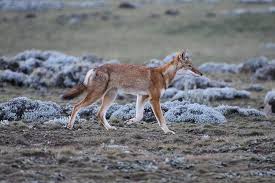
Ethiopian Wolf

The world's rarest canid and Africa's most endangered carnivore, found only in Ethiopia's highlands with the largest population in Bale Mountains.

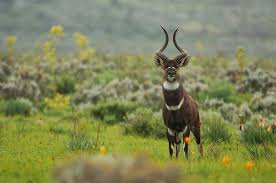
Mountain Nyala

An elegant antelope endemic to Ethiopia, with impressive spiral horns and distinctive white markings on the face and legs.

Giant Molerat

A unique subterranean rodent endemic to the Bale Mountains, living in complex burrow systems on the Sanetti Plateau.

Menelik's Bushbuck

A smaller, darker subspecies of bushbuck found only in Ethiopia's highland forests, particularly in the Harenna Forest.

Bale Monkey

An endangered primate found only in the bamboo forests of the Bale Mountains and a few neighboring areas.

Birdlife

Over 280 bird species including 16 endemic to Ethiopia, such as the blue-winged goose, spot-breasted plover, and wattled ibis.

Day-by-Day Itinerary

Day 1 — Addis Ababa to Dinsho

Activities

Depart Addis Ababa early for the scenic drive to the Bale Mountains. The journey takes you through the Ethiopian Rift Valley with stops at lakes and viewpoints. Arrive in Dinsho, the park headquarters, in the afternoon. Take a short acclimatization walk around the headquarters area to spot mountain nyala and other wildlife.

Accommodation: Lodge in Dinsho
Day 2 — Gaysay Grasslands & Wildlife

Activities

Spend the day exploring the Gaysay Grasslands, an excellent area for wildlife viewing. Look for herds of mountain nyala, Menelik's bushbuck, warthogs, and bohor reedbuck. This is also a good area for birdwatching, with numerous endemic species. In the afternoon, visit a local Oromo community to learn about their traditional way of life.

Accommodation: Lodge in Dinsho

Day 3 — Sanetti Plateau & Ethiopian Wolves

Activities

Drive up to the Sanetti Plateau, the largest afro-alpine habitat in Africa, reaching altitudes over 4,000 meters. This is the best place to see Ethiopian wolves in their natural habitat. The plateau is also home to giant molerat colonies, which are the wolves' primary prey. Visit Tullu Deemtu, the second highest peak in Ethiopia at 4,377 meters.

Accommodation: Lodge in Goba

Day 4 — Harenna Forest Exploration

Activities

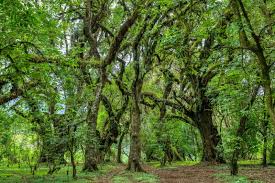
Descend into the mysterious Harenna Forest, one of Ethiopia's largest remaining natural forests. This cloud forest ecosystem is home to unique flora and fauna including colobus monkeys, Bale monkeys, and forest birds. Take guided walks to discover waterfalls, wild coffee, and the forest's rich biodiversity. Look for signs of the elusive African leopard.

Accommodation: Lodge in Goba

Day 5 — Sof Omar Caves & Return Journey

Activities

Visit the spectacular Sof Omar Caves, one of the most extensive cave systems in Africa. The Web River flows through the caves, creating dramatic limestone formations. This is an important Islamic pilgrimage site with a fascinating history. After exploring the caves, begin the return journey toward Addis Ababa, stopping overnight in Asella or similar town.

Accommodation: Hotel in Asella

Day 6 — Return to Addis Ababa

Activities

Complete the drive back to Addis Ababa, arriving in the early afternoon. Depending on your international flight schedule, you may have time for some last-minute souvenir shopping or a farewell dinner at a traditional Ethiopian restaurant featuring cultural music and dance.

Ecosystem Diversity

Bale Mountains National Park encompasses several distinct ecosystems:

  • Northern Grasslands (2,500-3,200m): Home to mountain nyala, bushbuck, and warthog
  • Afro-Alpine Moorland (3,200-4,000m): Habitat of Ethiopian wolves and giant molerats
  • Sanetti Plateau (4,000m+): The world's largest afro-alpine plateau with unique flora
  • Harenna Forest (1,500-3,200m): Afromontane rainforest with primates and rich biodiversity
  • Southern Grasslands: Transition zone between forest and agricultural lands

Included / Excluded

  • All transportation in 4WD vehicles
  • Professional licensed English-speaking guide
  • All accommodation (lodges and hotels)
  • All meals during the tour
  • Park entrance fees and permits
  • Scout fees for wildlife viewing areas
  • Bottled water throughout the tour
  • International flights
  • Visa fees
  • Travel insurance
  • Alcoholic beverages
  • Personal expenses
  • Tips for guides and drivers
  • Optional activities not in itinerary

Highlights

Ethiopian Wolf Sightings

The best place in the world to see and photograph the rare Ethiopian wolf in its natural habitat.

Sanetti Plateau

Africa's largest afro-alpine plateau with otherworldly landscapes and unique high-altitude ecosystems.

Harenna Forest

Explore one of Ethiopia's last remaining natural forests with its rich biodiversity and mystical atmosphere.

Sof Omar Caves

Spectacular limestone cave system with a river running through it, important for both geology and culture.

Conservation Importance

Global Biodiversity Hotspot

The Bale Mountains are recognized as a global biodiversity hotspot with numerous endemic species found nowhere else on Earth.

Ethiopian Wolf Conservation

Home to over half of the world's remaining Ethiopian wolves, making it critical for the survival of this species.

Watershed Protection

The mountains form a crucial watershed for millions of people in Ethiopia and neighboring countries.

What to Bring

  • Warm layers for cold mornings and high altitudes
  • Waterproof jacket and trousers
  • Sturdy waterproof hiking boots
  • Binoculars for wildlife viewing
  • Camera with telephoto lens for wildlife
  • Sun protection (hat, sunscreen, sunglasses)
  • Personal medications and first aid kit
  • Daypack for daily essentials

Gallery

Testimonials

Incredible wildlife experience

The Bale Mountains tour exceeded all expectations. Seeing Ethiopian wolves in the wild was a dream come true for our family. Our guide was incredibly knowledgeable about the wildlife and ecosystems, and we saw mountain nyala, bushbuck, and countless bird species. The landscapes are breathtakingly beautiful, from the otherworldly Sanetti Plateau to the mystical Harenna Forest. The accommodations were comfortable and the food was excellent. Highly recommended for nature lovers and photographers.

— Robert K., United States
A hidden gem for wildlife enthusiasts

While most tourists head to the Simien Mountains, the Bale Mountains offer a completely different but equally spectacular experience. The wildlife viewing is exceptional, and we had multiple close encounters with Ethiopian wolves. The variety of ecosystems within a relatively small area is remarkable. Our guide arranged for us to spend extra time with a researcher studying the wolves, which was a highlight. This is a must-visit destination for serious wildlife enthusiasts.

— Emma L., Australia

FAQ

What is the best time to visit the Bale Mountains?

The best time is during the dry season from October to March when wildlife is more visible and roads are more accessible. The wettest months are July and August, which can make some areas difficult to reach.

How likely are we to see Ethiopian wolves?

Sightings are very likely on the Sanetti Plateau, especially in the early morning and late afternoon. Our success rate for wolf sightings is over 90% on our standard tours. The wolves are most active when their primary prey, the giant molerat, is active.

What is the altitude and how does it affect visitors?

The Bale Mountains range from 2,500 to 4,377 meters. Most visitors experience only mild effects of altitude, but we include acclimatization days in our itinerary and advise drinking plenty of water. Those with pre-existing heart or lung conditions should consult their doctor before booking.

What is the accommodation like in the Bale Mountains?

Accommodation ranges from comfortable lodges to basic hotels. While not luxury, all accommodations are clean and provide the necessary amenities. For trekking itineraries, we use well-equipped camping facilities with comfortable tents and proper meals.

Is this tour suitable for children?

Yes, the standard tour is suitable for children aged 8 and above who are accustomed to moderate walking. The trekking-focused itinerary is more suitable for teenagers and adults with hiking experience. We can customize itineraries for families with specific needs.

Ready to Discover Ethiopia's Wildlife Wonderland?
Book your Bale Mountains adventure and encounter rare wildlife in stunning landscapes.